Key Takeaways
- Identify the root cause: Alligator cracks in asphalt usually stem from repeated heavy traffic, poor drainage, or aging pavement that has lost its flexibility.
- Clean the damaged area thoroughly: Dirt, rocks, and debris must be completely removed before repairing alligator cracks to ensure the patch material adheres properly to the surface.
- Apply a high-quality crack filler or patch: Depending on the severity of the damage, professionals use hot rubberized crack filler or full-depth hot mix patching to effectively restore the asphalt pavement.
- Sealcoat for long-term protection: A protective sealcoat prevents future alligator cracking asphalt by blocking harmful water infiltration and harsh UV rays.
- Maintain your lot regularly: Routine asphalt repairs and seasonal inspections keep parking lots safe and significantly extend their lifespan over the years.
_________________________________________________________________________________________________________
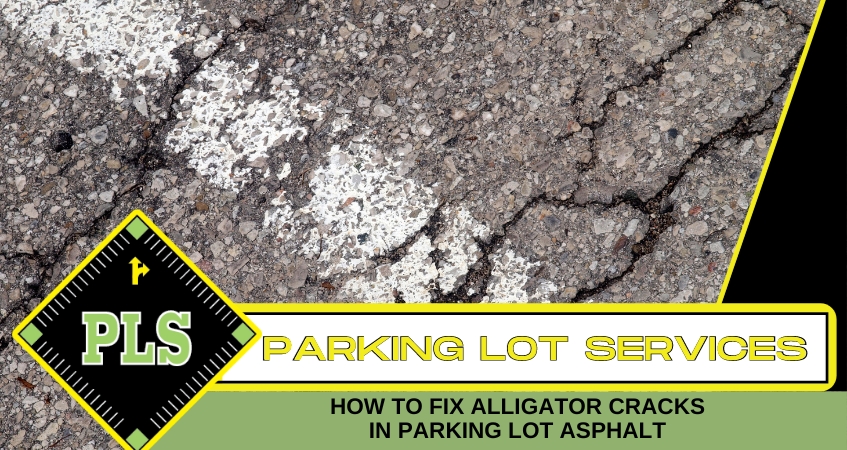
Do you have alligator cracking in your Tampa Bay parking lot? If you have ever driven down a long row of parked cars on an older commercial property, you have likely noticed deep, scaly lines in the pavement. These interconnected cracks are commonly known as fatigue cracking or alligator cracks because they closely resemble a reptile’s hide.
They can make your property look neglected, unsightly, and highly unsafe for pedestrians and vehicles alike. If left untreated, this damage will only get worse, eventually leading to massive potholes and expensive full-depth replacements.
Below is a detailed rundown of how professional paving contractors tackle asphalt alligator crack repair to restore your property and protect your investment.
What Causes Alligator Cracking?
Before you learn how to fix alligator cracks in parking lot asphalt, it is very helpful to understand exactly why they form in the first place. Usually, alligator cracking in asphalt happens because the subbase beneath the pavement has structurally failed.
This foundational failure is often caused by extreme weather changes, repeated heavy loads from large vehicles (like garbage trucks or delivery vans), or just normal wear and tear over decades of use.
Without proper drainage, standing water easily seeps into the base. This trapped moisture weakens the underlying dirt and gravel structure. When cars drive over this compromised and weakened base, the surface flexes, bends, and breaks.
This constant bending creates the classic, unsightly pattern of an alligator crack.
Steps to Repair Alligator Cracks in Asphalt
- Investigate and Prepare the Damaged Area – First, asphalt paving experts will investigate the cracked pavement to assess the depth of the damage. If the asphalt alligator cracking is extensive, the affected section must be thoroughly cleaned out. Professionals will remove dirt, rocks, weeds, and loose debris from the damaged area. Proper cleaning ensures that any repair materials will bond correctly to the existing pavement, preventing premature failure and future cracking.
- Patch or Fill the Cracks – To properly fix alligator cracks in asphalt, contractors must choose the right method based on the current damage level. For very minor surface issues, experts might use a high-quality liquid sealant to keep water out. However, severe deterioration requires cutting out the broken pavement entirely.
Pavers will fill the empty voids with fresh hot asphalt patching materials. They will then level it out with a metal trowel and compact it tightly with a heavy hand roller for a smooth, even finish that sits flush with the rest of the lot.
- Polish and Prepare for Sealcoating – Once the structural patching and surface leveling are completed, the pavement must be swept and sanded. Any trapped moisture or water puddling must be completely dried out before moving forward. Sweeping the area with a coarse broom or a mechanical rotary machine ensures the asphalt surfaces are totally clean, polished, and ready for the final protective layers.
- Apply a Protective Sealcoat – After fixing the structural integrity of the pavement, applying a fresh sealcoat is an essential next step. Sealcoating acts as a strong, waterproof barrier that protects the asphalt from rain, engine oil spills, and damaging sun exposure. It also gives the entire surface a rich, dark black color, making the lot look brand new again.
- Prioritize Ongoing Parking Lot Maintenance – To prevent alligator cracking in the future, property owners must prioritize regular maintenance. Ensure proper water runoff so water never pools on your pavement after a Florida rainstorm. Keep your grounds clean of natural debris, and make sure to sealcoat the surface at least every three to five years.
Frequently Asked Questions (FAQs)
What is alligator cracking in asphalt?
It refers to a specific series of interconnected fractures on paved surfaces that look just like reptile skin. It usually indicates severe structural failure, subbase deterioration, or poor water runoff beneath the pavement.
Can I use a standard sealant to fix the damage?
A standard liquid filler can temporarily seal minor, shallow lines to keep moisture out. However, if the subbase is failing, extensive damage typically requires cutting out the damaged section entirely and applying a fresh hot asphalt patch for a permanent fix.
How can I prevent this type of pavement damage?
You can easily prevent it by ensuring proper water runoff around your property, avoiding overloading the pavement with excessively heavy commercial vehicles, and sticking to a routine sealcoating maintenance schedule.
Why is proper water drainage so important for paved surfaces?
Proper drainage keeps harmful water from seeping into the subbase. Water infiltration softens and weakens the ground beneath the pavement, making it a leading cause of potholes, sinking, and surface deterioration.
Call PLS of Florida Today!
If you are dealing with severely damaged pavement, Parking Lot Services (PLS) is here to help. Our experienced team can evaluate the damage and provide the best professional solutions for maintenance, structural patching, and sealcoating.
Contact our team today for a free quote!