Key Takeaways:
Tropical storms damage asphalt by sending water deep into cracks, which causes pavement subbase erosion and structural collapse. High winds and heavy rain lift weakened asphalt, turning minor cracks into large potholes. Pre-storm crack sealing prevents this by blocking water from entering the base, saving commercial property owners from expensive repaving after a major storm hits.
_________________________________________________________________________________________________________
Every year, Florida businesses face severe weather that threatens their property. Understanding how tropical storms damage asphalt is the first step to protecting your commercial parking area. A single storm can turn minor lot issues into expensive liabilities overnight.
This guide shows you exactly how extreme weather wreaks havoc on your pavement and how you can stop it before the next storm makes landfall.
How does the Florida sun set up asphalt for storm damage?
Think of sealcoating like sunscreen for your commercial parking lot. The intense Florida sun and harsh UV rays beat down on the pavement all year long. This extreme heat dries out the natural oils that keep asphalt flexible. Without these oils, the pavement becomes dry and brittle.
When hurricane season arrives, the parking lot is already in a weakened state. The sun cracks the surface first, and then the heavy rain finishes it off. Water easily slips into these sun-baked cracks, starting a cycle of rapid damage that ruins your investment.
What causes pavement subbase erosion during a storm?
The subbase is the compacted stone foundation built beneath your asphalt surface. This layer gives your commercial parking area its strength to hold heavy vehicles. When a hurricane and tropical storm hits the Tampa area, it dumps inches of water in a matter of hours. That water needs somewhere to go.
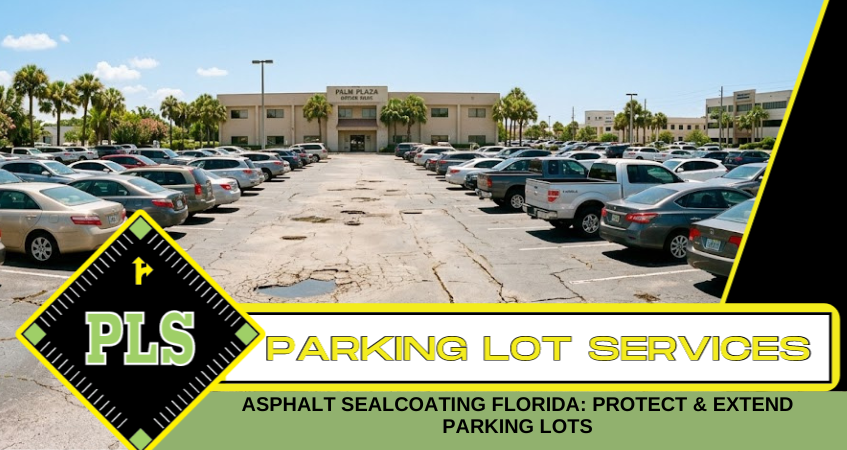
If your lot has open cracks, the water rushes straight down into the stone foundation instead of flowing to the drains. This process causes pavement subbase erosion. As the supporting dirt and stone wash away underneath, the asphalt loses its support system.
This leads to severe structural damage, including deep ruts, shifting asphalt, and sudden potholes when heavy trucks drive over the hollow spaces.
Is crack sealing or repaving better before a hurricane?
Crack sealing is the most cost-effective preventative measure; it stops heavy rain from reaching the subbase and causing structural collapse during a storm. If you wait until after a major storm destroys your parking lot foundation, basic maintenance will not help. You will have to pay for a complete post-storm repave.
Choosing crack sealing vs repaving before the storm hits saves your business thousands of dollars in water damage asphalt repair bills.
Filling those small gaps keeps water on top of the pavement. This allows your existing drainage system to route the water away from the property safely.
How do high winds and standing water combine to damage lots?
High winds cause more than just flying debris on your property. During a storm, heavy rain often causes water to pool on flat areas of your commercial parking lot. When strong winds blow across these deep puddles, they create constant wave action.
This moving water creates a hydraulic pumping effect. The force pushes the standing water deep into the tiny cracks of the asphalt. When heavy delivery trucks or customer vehicles drive over these pressurized wet areas, the asphalt layers quickly separate.
The wind and water work together to pop chunks of asphalt out of place, creating immediate driving hazards.
What are the best Tampa commercial paving tips for storm prep?
Good hurricane season parking lot paving prep requires smart planning well before storm warnings go live. You can protect your lot by following these steps:
- Clear all catch basins and storm drains: This allows water to flow away from the lot without restriction.
- Fill open cracks: Inspect your parking lot for any gaps wider than a quarter of an inch and seal them.
- Remove loose debris from the area: High winds can scrape loose rocks across the pavement, tearing away the protective sealant.
Taking these quick steps keeps minor issues from turning into major commercial property losses.
FAQs
How long does asphalt crack sealing take to dry before a storm?
Most professional crack sealing materials cure within a few hours. However, it is best to schedule this maintenance at least 48 hours before any heavy rain arrives. This gives the rubberized material enough time to form a completely waterproof bond with the existing asphalt walls.
Can standing water completely destroy a commercial parking area?
Yes. Standing water breaks down the chemical bond between the asphalt aggregate and the oil binder. When water sits on the surface for days, the asphalt softens. This leads to raveling, where loose gravel breaks away from the surface under the weight of regular traffic.
How often should a Florida commercial lot get sealed?
Commercial parking lots in Florida usually need a new coat of sealer every two to three years. The combination of intense daily UV rays, high surface temperatures, and heavy summer rain wears down protective coatings much faster than in other parts of the country.
What is the main difference between a pothole and subbase failure?
A pothole is a surface-level problem where a small piece of asphalt breaks away. Subbase failure is a much bigger issue where the stone foundation underneath the lot washes away. Subbase failure requires deep excavation and rebuilding, while a pothole just needs a simple patch.
Why should I clean my commercial parking lot drains before hurricane season?
Blocked drains force storm water to pool on your parking lot surface. This standing water increases the chance of water sinking into the asphalt layers. Keeping drains clean makes sure water exits your lot quickly, protecting the subbase from washing out.
Protect your commercial property before the next storm arrives. Parking Lot Services (PLS) helps Tampa business owners secure their pavement against extreme weather. Do not wait for structural failure to ruin your lot.
Contact the experts at Parking Lot Services (PLS) at (813) 880-9100 to Get a Free Quote Today.